
Designated Safeguarding Lead | Paula Farrow, CEO 07840 799718 |
Deputy Designated Safeguarding Lead | Karen Cogger, Family Support Manager 07840 799718 |
Procedure in the Event of a child being at risk of immediate harm or danger from a parent/carer
If a child is at immediate risk of harm, even in a public or outdoor space:
This Policy has been approved and authorised by:
Name: | Paula Farrow |
Position: | CEO |
Date: Signature:
Review date: | 3rd October 2025
15th August 2026 |
MyOTAS Safeguarding and Child Protection Policy
Introduction
Our goal is to improve the lives of Neurodivergent (Autism, ADHD, Dyspraxia, Dyslexia, Sensory Processing Disorder, etc.) children and young people and their families. We do this by providing inclusive activities for children and young people, providing family support and by increasing awareness in the community. We ensure we deliver these activities in a non-judgemental and low-pressure environment.
Our Commitment to Safeguarding
At MyOTAS, the welfare of children and young people is our highest priority. We are committed to protecting children and young people from harm and promoting their wellbeing in line with statutory guidance, including Working Together to Safeguard Children (DfE, 2018) and Keeping Children Safe in Education (DfE 2025) We achieve this by valuing and respecting children, ensuring the safe recruitment and ongoing training of staff and volunteers, sharing concerns appropriately with relevant agencies, and engaging collaboratively with families. All our activities are conducted with cultural sensitivity and inclusivity, reflecting best practice in safeguarding.
Statement of Intent – Safeguarding Children and Young People
The purpose of this policy is to clearly define the safeguarding responsibilities of all staff, volunteers, and trustees of MyOTAS, in accordance with statutory guidance and best practice for the protection of children and young people.
This policy operates in conjunction with detailed safeguarding procedures, which must be followed whenever concerns regarding a child’s welfare arise. Compliance with these procedures is mandatory for all personnel engaged with MyOTAS activities.
MyOTAS is committed to ensuring that all children and young people are provided with a safe, positive, and supportive environment in which they can participate in group activities. All staff, session leaders, contractors, teachers, and volunteers are expected to act in accordance with this policy, uphold the highest standards of safeguarding practice, and recognise their duty to protect children from harm.
This policy provides clear guidance on the processes and procedures to be followed in safeguarding matters and identifies the designated contacts for reporting concerns.
This policy and its procedures specifically relate to the safeguarding of children and young people. The safeguarding of adults is addressed separately under the MyOTAS adult safeguarding policy.
We liaise with local county councils to work for the welfare of our children. Key partners are Essex County Council, Essex Police and Clinical Commissioning Groups covering the county.
Principles
The MyOTAS Policy is guided by the principle that the welfare of the child or young person is paramount. All children and young people, regardless of age, ability, culture, gender, language, race, ethnicity, religion, nationality, socio-economic status, or sexual identity, have the right to protection from abuse and to participate in activities in a safe and enjoyable environment that meets their individual support and social development needs.
All concerns or allegations of poor practice or abuse will be taken seriously and addressed promptly in line with Local Safeguarding Partnership (LSP) multi-agency policies and procedures. Confidentiality will be respected in accordance with data protection, GDPR and human rights legislation, without compromising the safeguarding of any child at risk.
Statutory Legislation
MyOTAS’s Safeguarding policy aligns with Keeping Children Safe in Education (2025), and Working Together to Safeguard Children (2023), ensuring robust safeguarding policies, safer recruitment, effective staff training, secure premises, and clear procedures for recording, monitoring, and escalating concerns. Safeguarding in Essex operates through multi-agency arrangements under the Essex Safeguarding Children Board (ESCB), where statutory partners—Essex County Council, Essex Police, and NHS Integrated Care Boards—work together to protect all children.
Section 175 of the Education Act 2002 (Section 157 for independent schools) places a statutory duty on governing bodies to safeguard children, and all professionals in Essex follow the SET Procedures. MyOTAS also complies with all relevant legislation and guidance:
Roles and Responsibilities
Designated Safeguarding Officer Role
MyOTAS has a Designated Safeguarding Lead who is Paula Farrow, supported by a Deputy Designated Officer, responsible for providing guidance and support to stakeholders. All designated officers must be familiar with this policy, associated procedures, and Local Safeguarding Partnership (LSP) requirements, including access to Children’s Social Care duty points. The MyOTAS Designated Safeguarding Officer leads safeguarding initiatives across the community, communicates policy updates, supports member organisations in managing concerns, acts as the primary contact for allegations or safeguarding issues, and directs members to relevant safeguarding resources and training.
Failure to comply with the policy and procedures will be addressed without delay and may ultimately result in dismissal/exclusion from the organisation.
Designated Safeguarding Lead | Paula Farrow, CEO 07840 799718 |
Deputy Designated Safeguarding Lead | Karen Cogger, Family Support Manager 07840 799718 |
Definitions
Safeguarding and promoting the welfare of children means protecting them from maltreatment, preventing impairment of their health or development, and ensuring they grow up in safe, supportive, and nurturing environments. Within MyOTAS activities, safeguarding requires all staff, contractors, volunteers, and session leaders to take reasonable steps to minimise risks of harm and to share any concerns promptly with the Designated Safeguarding Lead and relevant local agencies. Children, including those who are neurodivergent and who are from ethnic minority communities, may experience harm through physical, sexual, or emotional abuse, neglect, bullying (peer, cyber, or online), poor coaching or teaching practices, or adverse home circumstances such as domestic abuse or parental mental health or substance misuse. Neurodivergent children may face additional vulnerabilities, including difficulties in communication, social understanding, or sensory processing, which must be considered in all safeguarding practice. Guidance and resources to support recognition and response to harm are provided at the end of this policy.
Applicants for Posts at MyOTAS
All applicants for roles at MyOTAS undergo safer recruitment processes, including interviews, reference checks, and enhanced DBS and barred list checks, in line with our Safer Recruitment Policy. Applicants are informed that the role is exempt from the Rehabilitation of Offenders Act 1974 and must disclose any convictions, cautions, or warnings before and during employment. Identity, qualifications, and vetting checks are recorded, and applicants have the right to challenge incorrect information affecting recruitment decisions. Facilitators are required to report any concerns affecting their suitability to work with children, and MyOTAS will notify the DBS and Police agencies. Personal information is securely stored in line with data protection legislation, and all new facilitators receive induction training and ongoing supervision.
Induction
All new members of staff undergo an induction that includes familiarisation with MyOTAS’ child protection policy and identification of their child protection training needs.
All staff contractors and volunteers working on behalf of MyOTAS will be given a copy of this policy within their staff or volunteers pack and also be alerted to the procedure for reporting concerns over child abuse. They will be made aware of and work within the guidelines of the SET (Southend, Essex and Thurrock) Child Protection Procedures as outlined by the Essex Safeguarding Children Board. A copy of the SET safeguarding and child protection procedures 2025 is available to all staff and volunteers on the Essex Safeguarding Children Board website here:
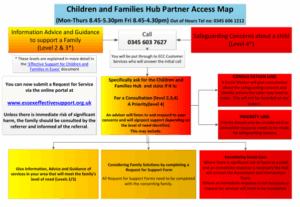
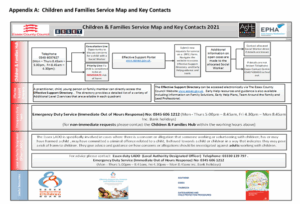
MyOTAS child protection procedure uses the ‘Children & Families Hub Partner Access Map’ from Essex Safeguarding Children Board.
candf-hub-partner-process-map.pdf
Training
The Designated Safeguarding Lead (DSL) and Deputy DSL (DDSL) complete Level 3 child protection training in line with Local Safeguarding Children Board (LSCB) guidance, with regular updates. All other facilitators complete Level 2 safeguarding and Prevent Duty awareness training before starting or as part of induction. The DSL ensures facilitators have access to ongoing training, maintaining awareness of physical, emotional, sexual abuse, neglect, and the additional vulnerabilities of children with SEND or from diverse backgrounds. Facilitators are trained to recognise that changes in behaviour, mood, or injury may indicate abuse, to follow procedures for reporting and recording concerns, and to escalate issues if safeguarding actions are inadequate. Training records are maintained, and the DSL undertakes inter-agency training and other relevant professional development.
Types of Abuse and Other Safeguarding Issues
Keeping Children Safe in Education (2025) explains that abuse is essentially any form of child maltreatment. This can involve directly causing harm, or failing to take action to stop harm from happening. Abuse might occur within the home, in schools or other community settings, and it can be carried out by people the child knows, or more rarely, by strangers. It can also take place entirely online, or technology might be used to support abuse that happens offline. Abuse can be carried out by adults or even by other children.
The guidance identifies four main types of abuse:
Bear in mind that some children in our community may exhibit some of these behaviours as a consequence of their neurodivergence. Any concerns should still be reported, but if you are aware a child has sensory issues and that’s why they are wearing inappropriate clothing for the weather for instance, please also include that in your report.
In addition, Annex B of Keeping Children Safe in Education (2025) contains important information about specific forms of abuse and safeguarding issues. Some of these, and our approach to them, are explained here:
Child criminal exploitation (CCE) and Child Sexual Exploitation (CSE)
Both CCE and CSE are forms of abuse where someone exploits a power imbalance to coerce, manipulate, or deceive a child.
The child may be drawn into criminal or sexual activity in return for something they need/want, for the perpetrator’s financial gain/status, or through threats/violence.
Exploitation can affect both boys and girls, and may involve trafficking for the purpose of abuse. CSE is a form of child abuse, which can happen to boys and girls from any background or community. It may occur over time or be a one-off occurrence. In Essex, the definition of CSE from the Department of Education (DfE, 2017) has been adopted:
Quote:
“Child Sexual Exploitation is a form of child sexual abuse. It occurs when an individual or group takes advantage of an imbalance of power to coerce, manipulate or deceive a child or young person under the age of 18 into sexual activity (a) in exchange for something the victim needs or wants, and/or (b) for the financial advantage or increased status of the perpetrator or facilitator. The victim may have been sexually exploited even if the sexual activity appears consensual. Child sexual exploitation does not always involve physical contact; it can also occur through the use of technology.”
Child-on-Child Abuse
We recognise that while our provision may be a safe and stable environment for many children, some may display abusive behaviour towards peers. All incidents of child-on-child abuse are treated as safeguarding concerns and managed in line with our procedures, with support from external agencies where needed.
Forms of child-on-child abuse include:
We do not tolerate harmful behaviour and act promptly to address it. Children are taught, in an age-appropriate way, what abuse is and are encouraged to speak to a trusted adult if they feel unsafe. We remain mindful of gender-related issues and follow both local safeguarding procedures (LSCB) and our own policies when responding to concerns or disclosures.
A child may be experiencing abuse if he or she is:
Children Missing from education
We recognise that some of the children who attend our activities may not be in formal education, either because they are home educated or not currently enrolled in school. Children missing in education can be more vulnerable to safeguarding risks, and we are committed to being alert to any concerns about their welfare. Where we have safeguarding concerns, we will follow our safeguarding procedures and, where appropriate, share information with the local authority or other relevant agencies to help ensure children receive the support and protection they need.
Contextual safeguarding and risk in the community
We recognise that neurodivergent children can face additional risks in the community, such as social isolation, difficulties recognising unsafe behaviour, or being more vulnerable to bullying, exploitation, or online harm. Safeguarding does not stop at our activities; we are alert to risks that may arise in peer groups, public spaces, or digital environments. Where concerns arise, we will act in line with our safeguarding procedures, and, where needed, work with parents, carers, and external agencies to ensure children are supported and protected in all areas of their lives.
Domestic abuse
We understand that some children that attend our activities may be living with or affected by domestic violence. For neurodivergent children, the impact can be especially harmful, as it may increase anxiety, affect behaviour, and make it harder for them to communicate concerns. We remain vigilant for signs of domestic abuse and will respond to any concerns in line with our safeguarding procedures, sharing information with parents, carers, and relevant agencies where appropriate to help keep children safe.
Harmful sexual behaviour
We recognise that children and young people may sometimes display sexual behaviour that is inappropriate, harmful, or abusive. Neurodivergent children may be more vulnerable to both experiencing and displaying such behaviours due to difficulties with social understanding, boundaries, or communication. We take all concerns about harmful sexual behaviour seriously and manage them in line with our safeguarding procedures, ensuring the safety and wellbeing of all children while providing appropriate support and guidance. Where necessary, we will seek advice and work with parents, carers, and external agencies.
Mental health
We recognise that mental health is a vital part of safeguarding, and we are committed to supporting the emotional wellbeing of all children who take part in our activities. Our staff and volunteers are trained to create an inclusive, safe, and supportive environment, where children feel listened to, respected, and valued. We understand that neurodivergent children may experience unique mental health challenges, and we will take a proactive approach by promoting open communication, reducing stigma, and ensuring that any concerns about a child’s mental health are taken seriously. Where appropriate, we will work with families and, if necessary, refer to professional services to ensure children receive the right support.
Online safety
We are committed to protecting children from potential risks associated with online activities. When using digital tools or sharing content online, we ensure that children’s personal information and identities are safeguarded at all times. Staff, contractors and volunteers are trained to model safe online behaviour and to support neurodivergent children in understanding how to stay safe in digital spaces. We do not permit unsupervised online communication between children and staff, and any concerns about online safety will be taken seriously, recorded, and addressed in line with our safeguarding procedures.
MyOTAS promotes the safe use of technology and social media for staff and volunteers as well as children and young people who use technology during MyOTAS services.
Children and young people are supervised by MyOTAS staff/volunteers when they are using technology (such as iPads/IT Suite computers) to ensure they are used in an appropriate and safe manner. Computers/iPads require log in codes to be accessed, and iPads have restricted use so only MyOTAS staff can buy/download apps.
MyOTAS’ web server security blocks inappropriate sites, and sites that have been deemed unsuitable by MyOTAS and have also been individually blocked. Any sites or apps which can be accessed but are considered inappropriate must be reported to a senior member of staff. For a full copy of MyOTAS’ Social Media and IT policy please contact info@myotas.org.
MyOTAS’ Staff/Volunteer Code of Conduct policy outlines that only the activity leader may carry or use a video/camera device during sessions and events with children, young persons and vulnerable adults. Any photos/video of children will not be placed on any of MyOTAS’ social media accounts or website without the written permission of the child’s parent/carer. Photos/videos will be deleted from the device once stored on the MyOTAS secured network.
Parents and carers are requested not to use cameras or other devices to take photos/videos during the sessions without permission from other families and should not post photos/videos of other people’s children on-line.
Prevention of Radicalisation
We are committed to protecting children from the risks of radicalisation and exposure to extremist views. We recognise that neurodivergent children may be especially vulnerable to targeted influence online or in person, and we will take proactive steps to create a safe and inclusive environment that promotes critical thinking, respect, and positive relationships. All staff and volunteers are trained to recognise early warning signs of radicalisation and will respond in line with our safeguarding procedures, including working closely with families and, where necessary, referring concerns to appropriate agencies.
Serious violence
We take the risk of serious violence very seriously and are committed to ensuring that all children are safe during our activities. We recognise that neurodivergent children may be more vulnerable to harm, exploitation, or being drawn into unsafe situations. Our staff and volunteers are trained to identify early signs of risk, respond calmly and appropriately, and take immediate action if they have concerns. We will always follow safeguarding procedures, work in partnership with families, and, where necessary, involve relevant agencies to protect children from the risk of violence or exploitation.
So-called ‘honour-based violence’ (including Female Genital Mutilation and forced marriage)
We are committed to protecting all children from honour-based violence, including practices such as Female Genital Mutilation (FGM). We recognise that these are serious forms of abuse and will never be condoned or treated as cultural traditions. Our staff and volunteers are trained to recognise the signs, listen sensitively, and take all concerns seriously. Any suspicions or disclosures will be responded to in line with safeguarding procedures, and referrals will be made to the appropriate authorities to ensure children are protected from harm.
Supervision
Supervision by appropriately trained staff provides vital opportunities for staff and volunteers to discuss any concerns regarding children’s development or well-being, to identify solutions to issues as they arise, and to access training that enhances their effectiveness in supporting children. To support this, termly safeguarding supervision workshops are held, creating a structured space for reflection, guidance, and professional development.
The Role of Staff, Contractors, Volunteers and Trustees
All staff, contractors, volunteers and trustees that work on behalf of MyOTAS have a duty to promote the welfare and safety of children. Staff, contractors, volunteers and trustees may receive disclosures of child abuse and observe children who are at risk. This policy will enable staff/volunteers to make informed and confident responses and decisions to any child protection issues that may arise.
Safeguarding Responsibilities When Using Contractors
When external contractors are engaged to deliver activities involving children or vulnerable individuals, our charity retains overall responsibility for safeguarding. All contractors must adhere to our safeguarding policy and procedures, and must provide evidence of their own safeguarding protocols, staff training, and DBS checks prior to engagement. Contractors are expected to report any safeguarding concerns immediately to the designated safeguarding lead (DSL) and cooperate fully with any investigation. During events, charity staff or volunteers must be present to oversee safeguarding compliance and ensure that contractors understand their duty to act in the best interests of the child. Any failure to follow safeguarding procedures may result in termination of the contract and referral to relevant authorities.
Procedure in the Event of a child being at risk of immediate harm or danger from a parent/carer
If a child is at immediate risk of harm, even in a public or outdoor space:
Procedure in the Event of a Disclosure
It is important that children are protected from abuse. All complaints, allegations or suspicions must be taken seriously. This procedure must be followed whenever an allegation is made that a child has been abused or when there is a suspicion that a child has been abused.
If the complainant is the child, questions should be kept to the minimum necessary to understand what is being alleged. Any questions to the child should not be leading questions, only questions for clarification of detail.
Listening to the Child
DO
DON’T
It is important to remember that the person who first encounters a case of alleged abuse is not responsible for deciding whether abuse has occurred. That is the task for the professional child protection agencies, following a referral from MyOTAS’ designated Safeguarding Lead. Any suspicion, allegation or incident of alleged abuse must be immediately reported to MyOTAS’ designated Safeguarding Lead. No professional has the right or responsibility to withhold information or to respect a child/young person’s wish for confidentiality.
Safeguarding Children and Young People with Disabilities
Any concerns about the welfare of a child or young person with disabilities should be acted upon in the same way as any other child/young person although there is a need for a greater awareness of the possible indicators of abuse and/or neglect. When considering whether a child/young person with disabilities has been abused and/or neglected, ensure that the disability does not mask or deter an appropriate investigation of chid protection concerns. Where a child or young person has disabilities, such as communication impairment or learning disabilities, special attention should be paid to communication needs, and to ascertain the child/young person’s perception of events and their wishes and feelings.
MyOTAS’ staff/volunteers must be alert to how a child/young person with disabilities may convey anxiety or duress through methods other than verbal communication.
Record Keeping
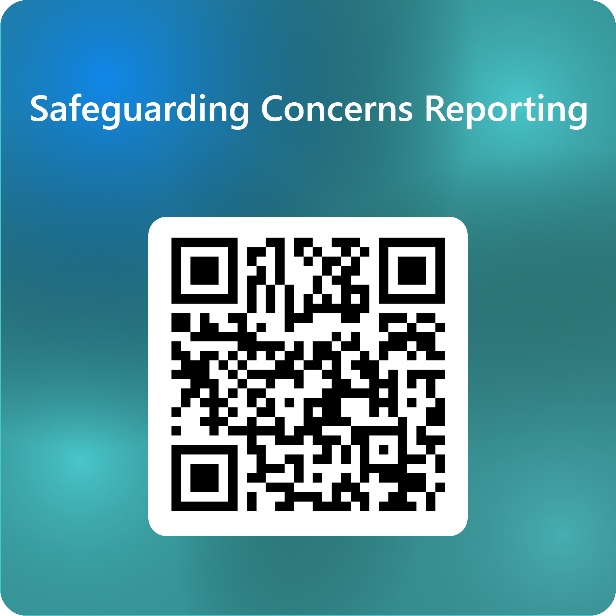
Good record keeping for all child protection issues is essential. Decisions made not to refer must also be recorded. We have created an on-line Incident Report form to be completed immediately any safeguarding concerns being raised.
The information you will need to complete this form includes:
Please note:-
If a case is closed too quickly and the designated Safeguarding Lead does not agree with the outcome made by Social Care, MyOTAS can fully question their decision and ask to be talked through how the decision was made. If the designated Safeguarding lead now agrees the case doesn’t meet the guidelines but feel that the family may still need help, they can monitor and review the process. On the other hand, if the designated Safeguarding lead doesn’t agree with the decision made by Social Care, the case can be re-referred to Social Care. Consideration should also be made to re-refer to other agencies such as the Children & Families Hub (previously called the Family Operations Hub).
Confidentiality
All matters relating to child protection are confidential. The designated person will disclose personal information about a child to other members of staff on a need-to-know basis. All staff, contractors and volunteers have a professional responsibility to share relevant information about the protection of children with other agencies.
Staff cannot promise a child to keep secrets which might compromise the child’s safety or well- being to that of another.
Consent
MyOTAS should inform children, young people and families on how information will be shared and seek their consent.
If there is significant change in the way the information is to be used, or a change in the relationship between the agency and the individual, consent should be sought again. It must be remembered that individuals have a right to withdraw or limit consent at any time. Informed consent means that the person giving consent needs to understand why information would be shared, who will see their information, what it will be used for and the implications of sharing that information.
The principle of seeking consent should always be one of openness with both parents and children. Adults (but also young people over the age of 16) are presumed to have capacity to give or withhold their consent to sharing of confidential information, unless there is evidence to the contrary under the Mental Capacity Act. A child, who is able to understand and make their own decisions, is able to give or refuse consent to share information.
Every case should be assessed to gauge a child’s understanding of consent explaining the information to the child in a way which is suitable for the child’s age and likely understanding and through using their preferred method of communication. Where a child cannot consent, one person with parental responsibility should be asked to consent on behalf of the child. In these circumstances it remains important that practitioners seek the child’s views as far as possible. When seeking parental consent, practitioners should ensure proper consideration is given to whose consent to seek. For example, where parents are separated consent should be sought from the parent with whom the child resides. Where a child is able to give informed consent, the practitioner must consider their consent or refusal even where a parent disagrees. In such circumstances the practitioner must encourage the child to discuss the issue with their parents and agree how this will be managed.
Practitioners must not withhold any service on the condition that parents are informed.
When Consent Should not be Sought
Wherever possible practitioners should seek consent to share information at their first contact whenever they are concerned about a child with additional needs, a child in need or a child in need of protection. There may however be some circumstances where they should not seek consent initially but even so should obtain consent when it is appropriate to do so. For example, if doing so would:
Information Sharing
When deciding how much detail you should share with Social Care and/or Police, there are seven golden rules for information sharing:
Uncollected Children and Young People
Parents remain with children and young people at MyOTAS events for most sessions but there are a few exceptions. Staff must ensure that children are collected by an authorised parent, carer or designated adult. No child is to be taken to the home of a member of staff, or away from the area in which the activity is taking place unless absolutely necessary. Every attempt must be made to contact an authorised parent, carer or designated adult.
Initial Actions:
If No One Arrives:
If an Unauthorised Person Arrives:
If the Adult Appears Unfit to Provide Safe Care:
If the Child Discloses They Don’t Want to Go Home:
Allegations of Child Abuse Made Against Staff/Contractors or Volunteers of MYOTAS
Any allegation of abuse made against staff/contractors or volunteers must be dealt with fairly, quickly and consistently to provide effective protection for the child and at the same time supports the person who is subject to the allegation. The initial consideration/discussion is to consider the nature, content and context of the allegation and agree a course of action. Where an allegation is made against a member of staff/contractors or a volunteer, then they must be informed of the allegation as soon as possible. They should also be:
Consideration of Suspension
The possible risk of harm posed by an accused person needs to be effectively evaluated and managed. In some cases this will require MyOTAS to consider suspending the person.
o Not to suspend may continue or increase the risk of significant harm for any child or
o Not to suspend may hamper investigations or
o The allegation warrants investigation by the police or
o The allegation is so serious that it might be grounds for dismissal.
Where suspension is not appropriate, consideration should be given to putting safeguards in place to protect child/ren and the adult involved. If a suspended person is to return to work, appropriate help/support must be considered e.g. phased return and/or provision of a mentor and how to manage the person’s contact with any child/ren that made the allegation.
All investigations into allegations should be completed and the outcome recorded, regardless of whether the person involved resigns his/her post, responsibilities or position of trust even if the person refuses to co-operate with the process.
‘Compromise agreements’ are where a person agrees to resign without any disciplinary action. Future references must not be used in these cases.
Disciplinary Procedures
Any disciplinary process must be separated from child protection enquiries.
Child protection enquiries take priority over any disciplinary investigations.
Investigations can be carried out concurrently.
It may be that the allegation was prompted by inappropriate behaviour, not considered sufficiently harmful under the child protection procedures, but which may still need to be considered under the disciplinary procedures.
This policy will be reviewed annually or when there is a change in circumstances, in work practices or the introduction of new legislation.
Codes of Conduct and Responding to Concerns
All facilitators are informed of expected conduct during induction and must follow the Code of Conduct Policy. We keep records of all complaints and concerns, including the actions taken, and parents are made aware of how to raise a complaint about staff, volunteers, or others connected with the setting.
Any inappropriate behaviour will be dealt with immediately, including sexual remarks, excessive one-to-one contact, or the sharing of inappropriate images. Allegations of abuse are managed in line with LSCB guidance and SET procedures (ESCB 2019). Facilitators are trained to raise concerns about colleagues and to escalate matters if necessary. Staffing issues are treated confidentially and in line with data protection requirements.
All allegations are recorded and referred promptly (within one working day) to the Local Authority Designated Officer (LADO) on 03330 139 797, who will advise on next steps and any police involvement. The Provision does not carry out its own investigation before consulting the LADO and cooperates fully with statutory agencies.
Whistleblowing
Contractors, staff, volunteers, parents, children and members of the community are encouraged to report any concerns regarding unsafe or inappropriate practice. Our Whistleblowing Policy outlines the procedures in place to ensure such concerns are taken seriously.
Where concerns cannot be raised internally, facilitators may contact the NSPCC whistleblowing helpline on 0800 028 0285 (Monday–Friday, 8.00 a.m.–8.00 p.m.) or email help@nspcc.org.uk.
Parents and members of the public may raise concerns via the NSPCC general helpline on 0800 800 5000 (available 24 hours) or the same email address.
Further Resources
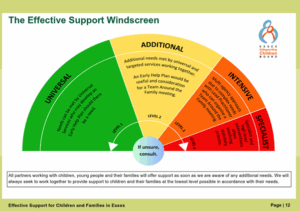
We follow guidance from the Essex Safeguarding Board but have also drawn upon useful information from the following resources.
Local Essex Resources
Neurodiversity-Inclusive Practice